Keeping your home’s electrical system up to date is essential for both safety and functionality. As we add more high-powered appliances, smart devices, and electric vehicles, the demand on your home’s electrical system increases — and your panel may no longer keep up.
Below, we’ll explain when an upgrade is needed, what’s involved, and what homeowners should know before getting started.
Why Electrical Panel Upgrades Are Important
Your electrical panel distributes power throughout your home. If it’s outdated or overloaded, it can’t safely handle modern energy demands. This can cause tripped breakers, flickering lights, and even potential fire hazards.
Upgrading your electrical panel ensures your home meets today’s safety standards and provides sufficient capacity for future needs, such as EV charging, HVAC systems, and smart home technology.
Common Signs You Need an Electrical Panel Upgrade
- Breakers trip frequently. This indicates that the panel is overloaded or that the circuits are undersized.
- Lights flicker or dim. Suggests voltage fluctuations due to excessive demand.
- Burning smell or a panel that feels warm: a serious warning sign of overheating or loose connections.
- Buzzing or crackling noises could indicate electrical arcing, which poses a fire risk.
- The use of multiple extension cords suggests inadequate outlet availability or circuit capacity.
- An older panel or fuse box may not meet current safety codes or support modern devices.
- Adding new appliances or an EV charger. These increase total electrical demand beyond older panel limits.
What’s Involved in an Electrical Panel Upgrade
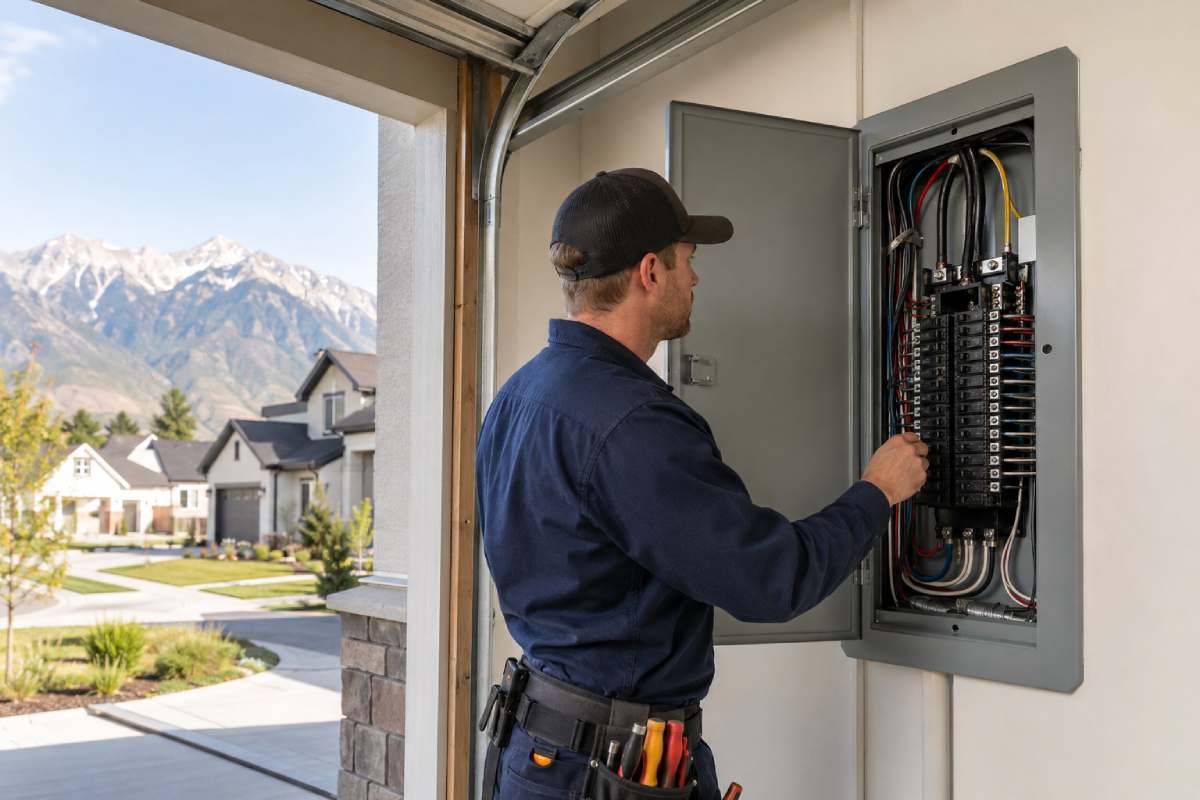
A professional electrician follows several key steps when upgrading your panel:
- Load Evaluation
They calculate how much electricity your home uses now and will need in the future.
- Permits and Inspection
Electrical upgrades require local permits and must meet the National Electrical Code (NEC).
- Power Disconnection
Your main power is shut off temporarily to perform the work safely.
- Panel Replacement
The old panel and breakers are removed, and a new, higher-capacity system is installed.
- Testing and Final Inspection
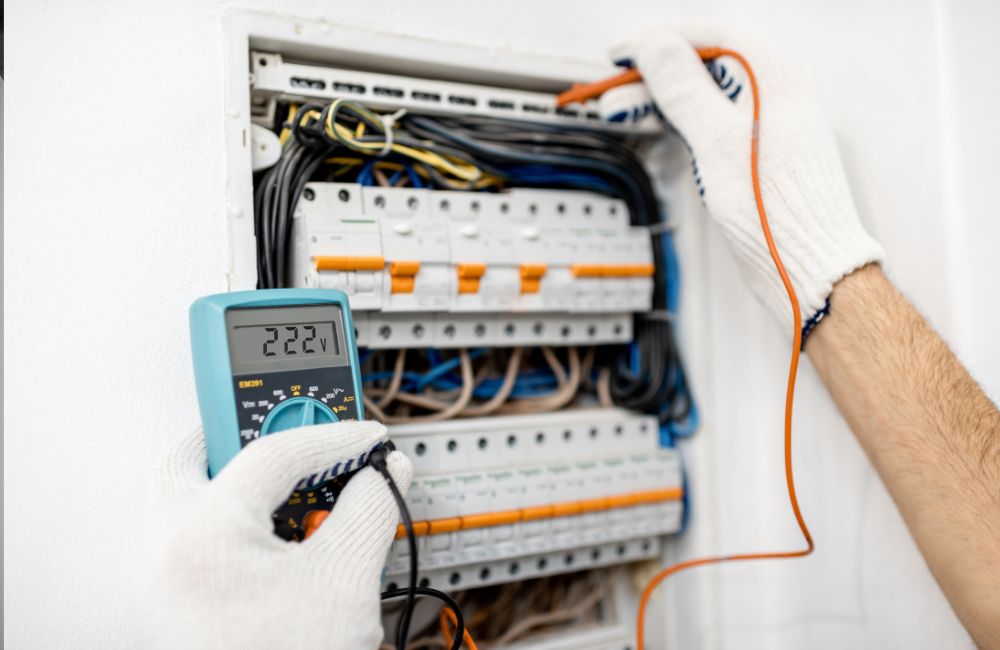
After installation, the system is tested and inspected to ensure everything operates safely and efficiently.
Cost Factors to Consider
The total cost of a panel upgrade depends on:
- Panel size (e.g., upgrading from 100 amps to 200 amps)
- Location of the existing panel
- Distance from the utility connection
- Additional wiring or grounding needs
- Permit and inspection fees
- Regional labor rates
Benefits of Upgrading Your Electrical Panel
- Increased safety and reduced fire risk
- Capacity for modern electronics and appliances
- Improved home value and code compliance
- Reduced circuit overload and fewer outages
- Readiness for future technology like EV charging or solar
FAQ: Electrical Panel Upgrades
Q1. How long does a panel upgrade take?
Usually 1–3 days, depending on the job’s complexity.
Q2. Will I lose power during the process?
Yes, your power will be turned off temporarily during installation.
Q3. Can I do it myself?
No. Electrical panel work requires a licensed professional and city inspection for safety.
Q4. How long does a new panel last?
A modern panel typically lasts 40–60 years.
Q5. Do I need a 200-amp panel?
If you plan to add high-demand appliances or an EV charger, a 200-amp panel is often recommended.
Contact Westover Electric
If you’ve noticed flickering lights, tripping breakers, or other warning signs, it might be time to assess your home’s electrical capacity.
📞 Contact Westover Electric today to schedule a professional electrical inspection or panel upgrade consultation.
Our experienced electricians will help ensure your home’s electrical system is safe, reliable, and ready for the future.